Serving Livermore, CA and surrounding areas. (925) 409-3345
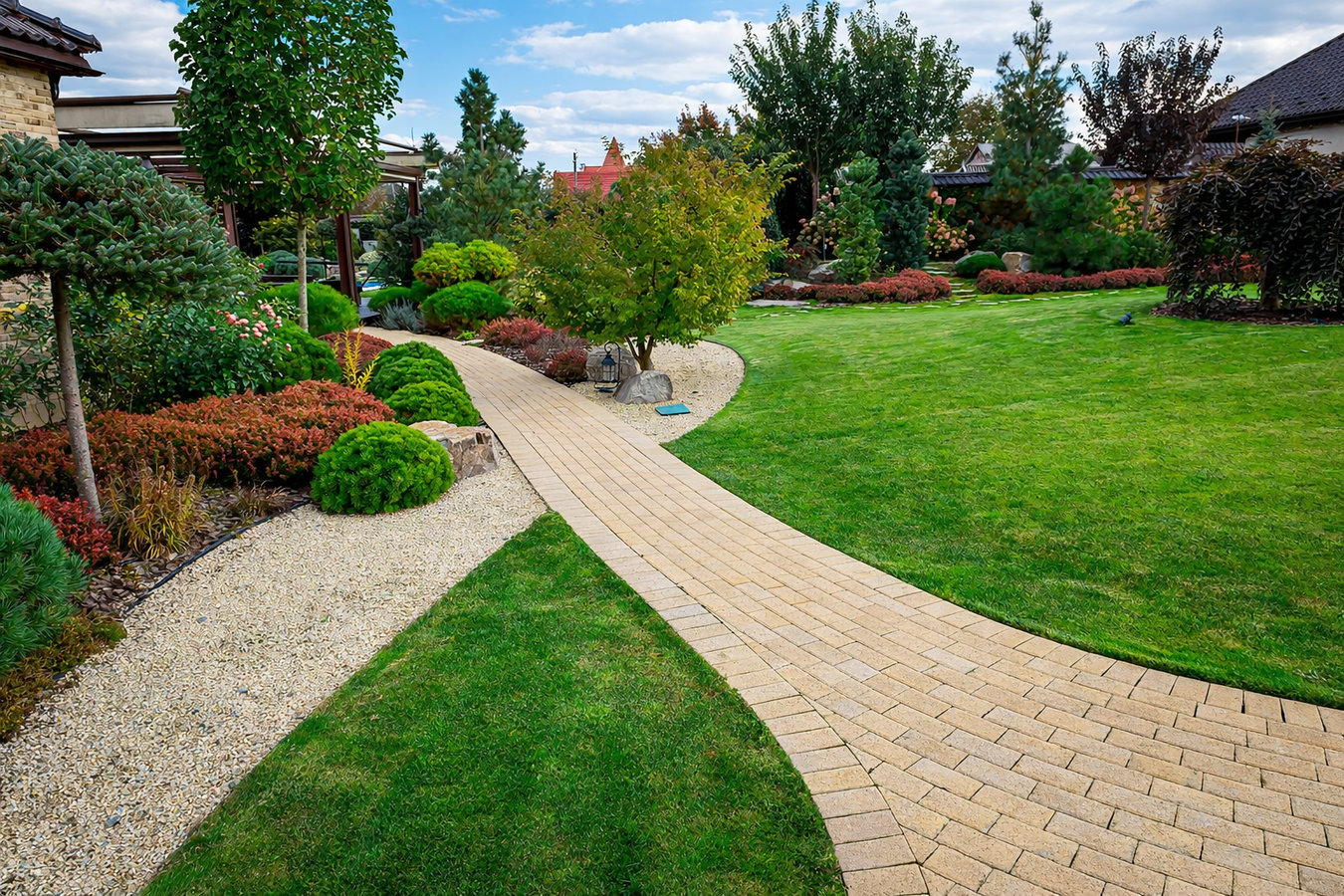
Livermore's clay soil moves with the seasons, pushing poorly built walkways out of level within a few years. We build concrete, paver, and stone walkways on compacted bases designed for local ground conditions, so your path stays safe and looks sharp long after the first rainy season.
Walkway construction in Livermore means digging out the existing ground, preparing a stable compacted base underneath, and then installing the surface material so it stays level and drains water away from your home, most projects take one to three days from first shovel to finished surface depending on length and material.
The base matters more than the surface. A properly compacted gravel base, usually four to six inches deep, keeps the walkway from sinking, cracking, or shifting as the ground moves with the seasons. Skipping or skimping on this step is the most common reason walkways fail early in Livermore's clay-heavy soils. Homeowners often pair a new walkway with driveway pavers to create a unified hardscape design across the front of the property.
Your material choice affects not just looks but how the surface feels underfoot, how slippery it gets when wet, and how much upkeep you will do over the years. Concrete is the most affordable and lowest maintenance, pavers and stone cost more upfront but are easier to repair if one section cracks or settles, and brick wall installation can extend the same material palette to boundary walls and garden edges for a cohesive outdoor space.
If you notice a slab or paver that shifts when you step on it, or a section that is noticeably higher or lower than the ones next to it, the base underneath has moved. In Livermore, this is often caused by the clay soil expanding and contracting through wet and dry seasons. A small trip hazard today can become a bigger one if left alone.
A hairline crack that appeared after last winter and has not changed is usually cosmetic. But if you are seeing cracks that are widening, branching, or allowing weeds to push through, the structure underneath is shifting. Livermore's summer heat accelerates surface wear on concrete that is already compromised, so cracks that look minor in spring can open up significantly by August.
After a rain, walk outside and watch where the water goes. If it sits on your walkway in puddles or flows toward your foundation rather than away from it, the slope is wrong. This is both a safety issue, wet surfaces are slippery, and a long-term risk to your home's foundation.
If you have recently updated your landscaping, painted the house, or replaced the front door, an old cracked walkway can undercut the whole impression. Curb appeal matters for your own enjoyment of the home and for resale value, and a new walkway is one of the more affordable ways to make a meaningful visual difference.
We build walkways using concrete, pavers, brick, or natural stone, depending on what suits your home's style, your budget, and how much maintenance you want to do over the years. Concrete is the most affordable and requires the least upkeep, sealed every few years and left alone otherwise. Pavers and stone give you more design flexibility and are easier to repair if a section settles, since you can lift and re-level individual pieces without tearing out the whole path. Brick delivers a classic look that complements older homes and traditional landscaping.
Every walkway we build starts with a properly prepared base designed for Livermore's clay soils, sloped to move water away from your foundation, and installed with the finish materials you have chosen. Homeowners who want to define yard spaces or add privacy often pair a walkway project with brick wall installation, and those updating their driveway at the same time frequently match materials and patterns with driveway pavers to create a cohesive front-yard design.
The most affordable and lowest-maintenance option, concrete walkways can be finished smooth or stamped in patterns, sealed to resist staining, and formed in straight or curved layouts.
Concrete or clay pavers cost more upfront than poured concrete but are easier to repair if a section settles, available in a wide range of colors and patterns, and suitable for formal or casual designs.
Brick delivers a classic, timeless look that complements older homes and traditional landscaping, laid in patterns like running bond or herringbone, and repairable without replacing the entire path.
Flagstone, bluestone, or slate creates an upscale, organic appearance, each stone is unique, and the material holds up to Livermore's heat without fading when properly sealed.
Livermore sits in the Tri-Valley and regularly sees summer temperatures above 95 degrees followed by concentrated winter rainfall between November and March. That swing between baking heat and heavy rain puts stress on any outdoor surface, materials expand in the heat and get saturated in the wet season, and a contractor who understands this pattern chooses materials and base depths that hold up to both extremes. Much of Livermore also sits on soils with a high clay content, clay swells when it gets wet and shrinks when it dries out, and that movement can push walkway sections up or pull them apart over time if the base is not built to buffer it.
We serve homeowners throughout the Tri-Valley, including Pleasanton and Dublin, where the same clay soils and seasonal temperature swings create the same demands on outdoor hardscaping. A walkway built with a deeper compacted base and proper drainage grading is not just a nicer-looking path, it is a structure that protects your home's foundation and stays usable for decades without constant repairs.
When you reach out, we ask a few questions about the length of the walkway, the material you are thinking about, and whether there is an existing walkway to remove. We schedule a free on-site visit to measure the area, look at the ground conditions, and give you a written estimate. You will receive a clear breakdown of what is included before you agree to anything.
Once you have agreed to move forward, you confirm the material, width, and any design details like whether you want a straight path or a gentle curve. If your project requires a permit, for example if it touches the public sidewalk, we handle that paperwork and let you know how it affects the start date. This step usually takes a few days to a week.
On the first day of work, the crew marks out the walkway area and removes any existing surface, old concrete, pavers, or overgrown ground cover. We dig down to the right depth, bring in and compact a gravel base, and make sure the slope is correct before any surface material goes down. This is the most important part of the job, even though it is the least visible when it is done.
Depending on the material, the crew pours and finishes the concrete, sets the pavers or stone, or lays the brick in the pattern you chose. For a standard front walkway, this typically takes one full day. Once the surface is in, we clean up the site, remove debris, and restore any disturbed lawn or planting areas. For concrete, plan to stay off the surface for at least 24 to 48 hours.
We reply within one business day and can schedule a free on-site estimate at your convenience.
(925) 409-3345Livermore sits on clay-heavy soils that swell when wet and shrink when dry. We prepare the base specifically for the way this ground moves, using a deeper compacted gravel layer that absorbs the seasonal changes before they reach the surface. The walkways we build in Livermore do not shift and crack after the first rainy season the way shortcuts do.
Water that pools on or around a walkway erodes the base, stains the surface, and eventually causes sections to sink or crack. We shape the surrounding ground and slope the walkway itself to direct rainwater away from your foundation before the first stone is laid. In Livermore, where winter storms can be intense, getting drainage right matters more than many homeowners realize.
If your walkway project involves the sidewalk strip near the street or requires city approval, we handle all of that paperwork for you. We know how Livermore's permit process works and we build that timeline into the project schedule from the start. The work gets done right, nothing gets flagged after the fact, and you are protected if questions ever come up during a home sale.
Surfaces that are not sealed or finished correctly can bleach out, pit, or develop surface cracks after a few seasons of 95-degree heat. We use materials and finishes suited to the Tri-Valley climate, and we tell you exactly what to do, and how little of it there is, to keep the surface looking good for years. Your walkway will still look sharp a decade from now.
We build walkways the way they should be built for Livermore's soils and climate, with attention to base preparation and drainage that protects your investment and your home. You can verify our California contractor license before you sign anything, and we handle permit coordination if your project requires city approval.
Permanent masonry walls for boundaries, privacy, and garden edges that complement the style and finish of your walkway.
Learn MoreExtend the material and pattern of your new walkway to your driveway for a cohesive front-yard hardscape design.
Learn MoreSpring and fall fill up fast, reach out now to lock in your preferred start date before the busy season.