Serving Livermore, CA and surrounding areas. (925) 409-3345
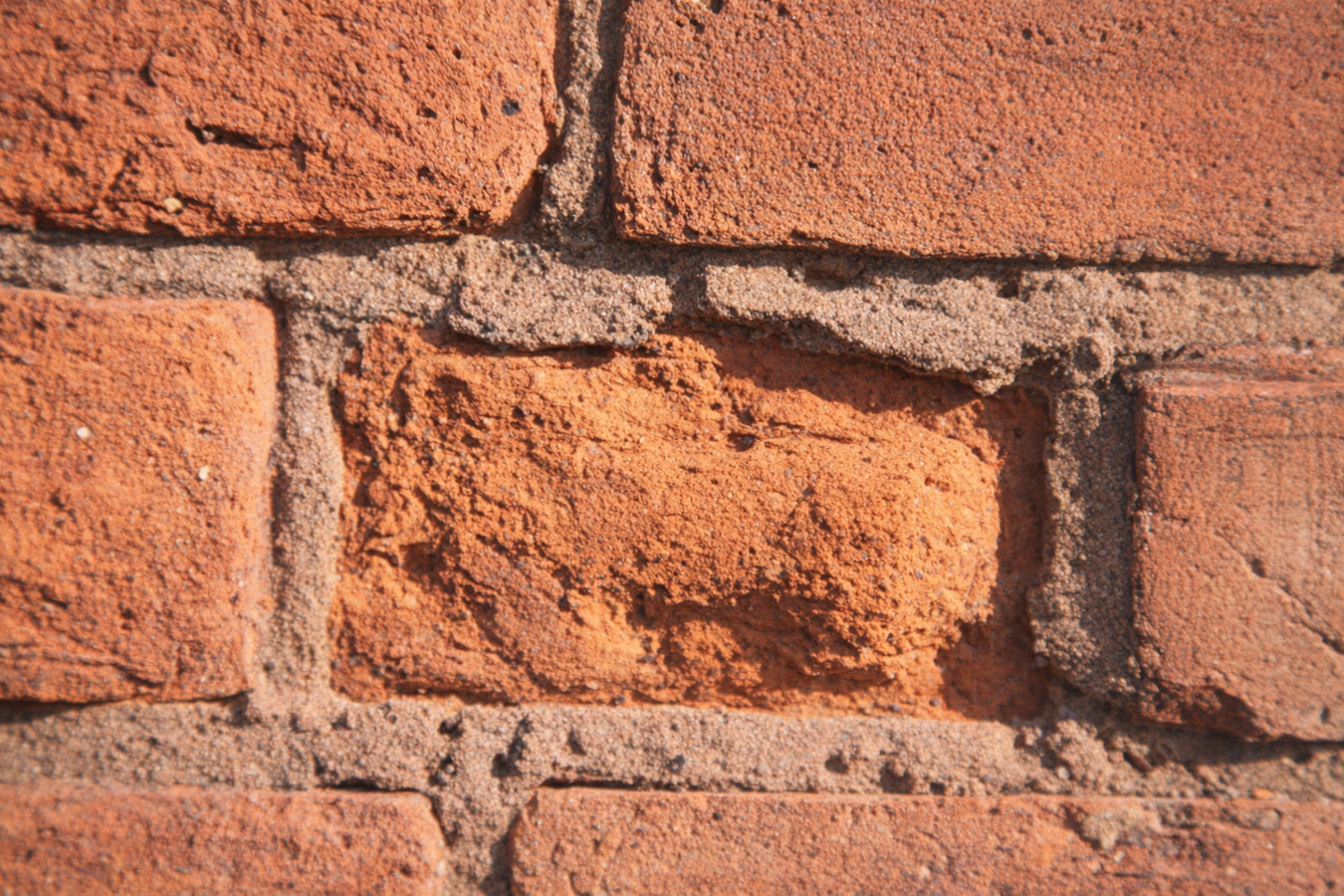
Crumbling mortar is not just cosmetic - it is how water gets into your walls. We match mortar to your home's original mix, manage Livermore's summer heat during the cure, and leave clean joints that protect your brickwork for another generation.
Brick pointing in Livermore means removing deteriorated mortar from the joints between bricks to a depth of about three-quarters of an inch, then packing in fresh mortar matched to the original mix, most residential jobs on a chimney or garden wall are completed in one day, and the work protects your brickwork from water intrusion without requiring any structural change to the wall itself.
Mortar is designed to be softer than brick - it absorbs the stress of temperature swings, seismic movement, and seasonal settling so the bricks themselves do not crack. Over 20 to 30 years, that softness becomes a liability as the mortar erodes and gaps open up. Livermore's wide temperature range - triple-digit summers and frosty winter nights - accelerates this wear faster than homeowners in milder Bay Area cities typically experience. If you are not sure whether you need pointing or a more substantial foundation repair for structural cracking, we can assess the difference during the estimate visit.
Homeowners who have already had pointing done on an older structure sometimes find they want a cleaner, more decorative finish on the joints - which is where tuckpointing differs from standard repointing. We can explain both options and help you decide what is right for your project.
Stand a few feet back and look at the lines between bricks on your chimney, wall, or facade. If the filler looks recessed, sandy, or has gaps you can probe with a finger, the mortar has worn past the point where it is protecting the structure. Livermore's wide temperature swings - scorching summers, cold winter nights - accelerate this wear on exposed brick surfaces.
That residue is efflorescence - mineral salts left behind when water moves through the wall and evaporates on the surface. In Livermore, where summer heat drives rapid evaporation, this staining can appear quickly after mortar starts failing. It is not just cosmetic. It means water is actively getting into the wall through deteriorated joints, and the damage inside the wall is worse than the surface suggests.
If your brick chimney or garden wall was built before the 1990s and has never been repointed, the mortar is likely overdue. Older structures in Livermore neighborhoods near downtown or Old South Livermore often used softer lime-based mortars that weather faster in the Tri-Valley's hot, dry summers. Mortar that looks intact from a distance can be hollow or crumbling just below the surface.
The Tri-Valley experiences minor seismic activity regularly, and even a small shake can open hairline cracks in mortar that was already weakening. If you walked outside after a recent tremor and noticed thin lines running along the mortar joints - not through the bricks themselves - that is movement damage that should be addressed before the next rainy season lets water in and widens the gaps further.
We handle pointing on the full range of residential brick structures in Livermore - chimneys, garden walls, boundary walls, brick facade sections, and planters. The approach is the same across all of them: careful removal of old mortar, an assessment of what the original mix was, a matched replacement mortar, and clean tool work on each joint. Older homes near downtown and Old South Livermore often require lime-mortar analysis before we touch them, because using a hard modern mix on those bricks is one of the most common mistakes made in this market. If you are also considering structural repairs to a wall that has moved, foundation repair should be addressed before pointing work so the new mortar does not open up again from continued movement.
For homeowners who want the joints to look as good as they perform, tuckpointing uses two contrasting mortar colors to create the appearance of very fine, precise joints - it is the finishing option often chosen for high-visibility areas like front chimneys and entry walls. Standard repointing is the right call for functional protection; tuckpointing is the upgrade for when appearance also matters. We will help you understand the cost difference and whether it makes sense for your specific structure during the estimate.
Targeted mortar joint repair for residential chimneys, including ladder or scaffold access and the matched mortar mixes that older Livermore chimneys often require.
Mortar renewal for freestanding brick walls that have weathered through years of Livermore summers and winters, restoring structural integrity and appearance in one visit.
Section-by-section repointing of exterior brick features on Livermore homes, including older planters and entry features common in mid-century construction.
Careful mortar analysis and matching for homes built before the 1970s, where using the wrong mortar type can crack original bricks instead of protecting them.
Livermore sits inland from the Bay, and the Tri-Valley's temperature swings are significantly wider than what Oakland or San Jose homeowners deal with. Summers regularly hit 95 to 105 degrees, and winter nights can drop into the upper 20s. That daily and seasonal expansion and contraction puts more stress on mortar joints than most homeowners realize - and it is why brick structures here may need repointing on a shorter cycle than national averages suggest. The Calaveras and Greenville faults that run near Livermore add another layer: even minor seismic events can open hairline cracks in mortar that was already aging. See our full coverage area on our Livermore service area page.
We serve homeowners across the Tri-Valley and bring the same mortar-matching care to every job whether it is in Livermore, Pleasanton, or Dublin. The key difference in older Livermore neighborhoods is the prevalence of pre-1970s construction with lime-based mortars that need careful handling. If your home is near historic downtown or in Old South Livermore, mention the build year when you call - it tells us right away what kind of assessment to prepare for.
When you reach out, we ask what type of structure needs work, roughly how large the area is, and whether you have noticed any specific damage. We schedule a free site visit and you will typically hear back within one business day. For most residential pointing jobs, the on-site assessment takes 20 to 45 minutes.
The mason walks the structure, looks closely at joint depth and mortar condition, and checks whether any bricks themselves are damaged. If your home is older, they assess whether the original mortar is a softer lime-based mix that needs careful matching. You receive a written quote with scope, materials, and timeline - and the right moment to ask about hot-weather protocols if the work falls in summer.
You do not need to do much. Clear patio furniture, planters, and vehicles from the work area. If the mason is working near a window or door, close it the night before to limit dust inside. You do not need to be home, but being available by phone is helpful in case the crew finds unexpected damage once they start removing old mortar.
The crew grinds or chisels out old mortar to the right depth, then packs in fresh mortar by hand and tools each joint smooth. For a chimney or garden wall, most jobs finish in one day. Before leaving, the mason walks you through the curing window - keep the fresh mortar dry for at least 24 to 48 hours, no sprinklers or pressure washing. Any issues noticed within the first few days should go straight back to the contractor.
Free on-site estimate. No pressure, no obligation. We reply within one business day.
(925) 409-3345Livermore summers regularly hit 100 degrees, and fresh mortar that dries too fast in that heat will crack before it ever reaches full strength. We schedule work for cooler parts of the day, shade fresh joints during high-heat periods, and mist them lightly when conditions require it. A repair that looks fine in August but starts crumbling in December is not a repair - it is work that needs to be done again.
Homes built in Livermore before the 1970s often used softer, lime-based mortars that flex with the building's movement. Using a hard modern mortar on those joints can crack the original bricks over time - the new mortar becomes stronger than what it is protecting. We assess the original mix before we touch it and match the repair to your home's history, not just the cheapest available material.
We have worked on brick structures in neighborhoods near downtown Livermore and in older developments where original mortar is now 40 to 60 years old. We know what to look for in Tri-Valley construction of that era and how to handle historic mortar matching when the structure warrants it. If your home is in or near a historic district, we are familiar with the City of Livermore's standards for exterior repair.
The most visible sign of a rushed pointing job is mortar smeared across the brick face rather than neatly confined to the joints. Good work leaves the brick surface clean, with joints that are slightly recessed and smooth. We clean the brick face as we go and do a final check before leaving so you do not discover sloppy edges after the crew is gone. The Brick Industry Association sets the workmanship standards we follow.
Every pointing job we take on in Livermore is backed by a California contractor license you can verify in 30 seconds on the CSLB website and the workmanship standards published by the Brick Industry Association. We are happy to provide references from completed pointing work in Livermore and the surrounding Tri-Valley before you decide.
Structural repair for foundation problems that can cause stress cracks to appear in chimney mortar and brick walls throughout the home.
Learn MoreA finish-quality mortar joint treatment that uses two contrasting mortar colors to create the look of very fine, precise joints on brick chimneys and walls.
Learn MoreLivermore's dry season fills masonry schedules fast. Call now or request a written estimate online and get your brickwork protected before the first fall rains arrive.