Serving Livermore, CA and surrounding areas. (925) 409-3345
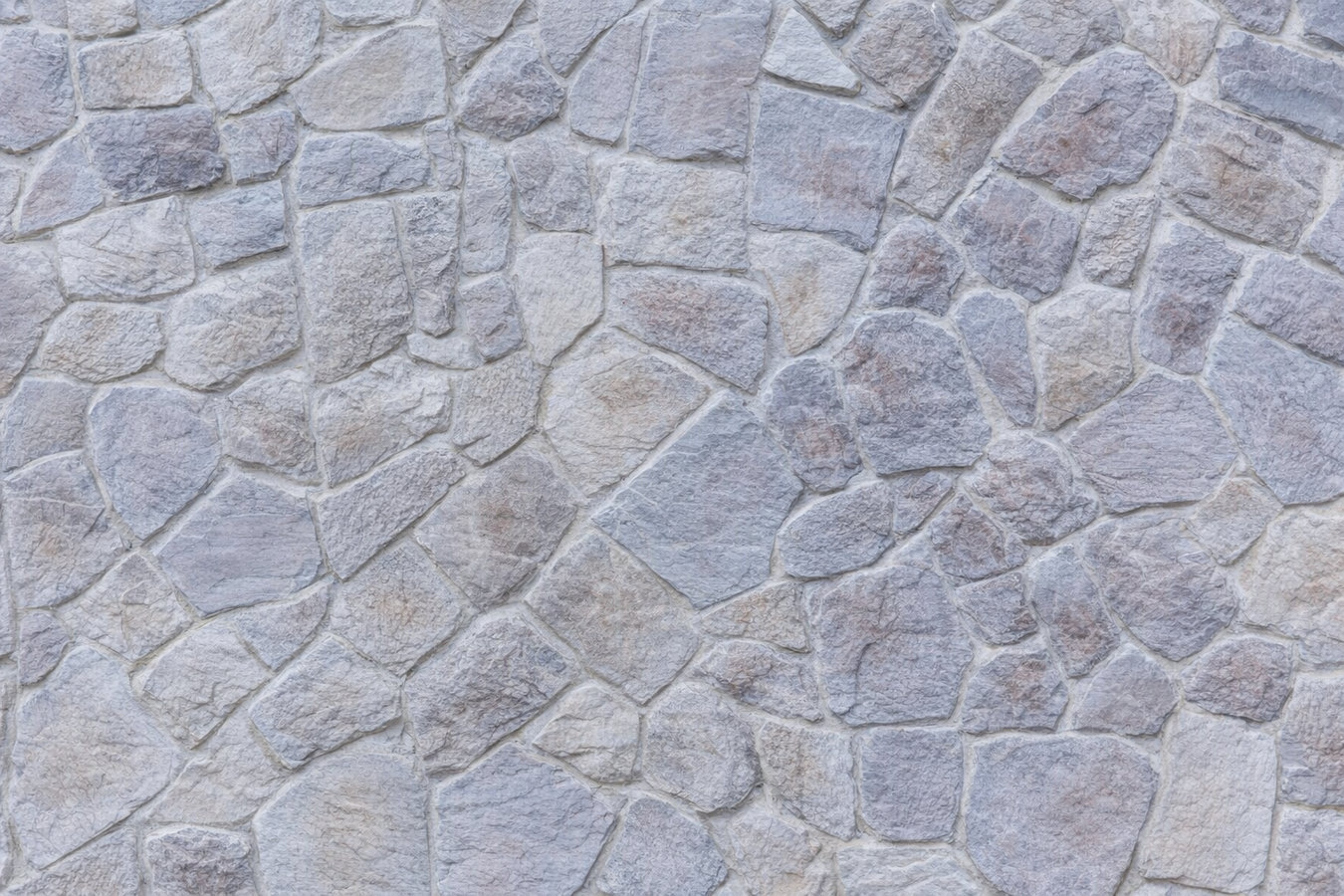
Stone masonry in Livermore needs footings built for clay soils, reinforcement designed for seismic country, and mortar that holds up through triple-digit summers. We handle all of it - from permit to final walkthrough.
Stone masonry in Livermore means cutting, setting, and mortaring natural or manufactured stone on a concrete footing engineered for local soil conditions, most straightforward projects run two days to two weeks depending on size, and the process includes site prep, footing excavation, seismic reinforcement where required, and permit coordination for structural work.
What you end up with is one of the most durable structures you can add to a property. A well-built stone wall, set of steps, or outdoor feature does not rot, warp, or need repainting. The main maintenance task over years is watching mortar joints for wear and having them refilled - a much smaller job than replacing the structure itself. Many Livermore homeowners planning an outdoor project pair stone masonry with brick pointing to address existing mortar wear at the same time so everything is in good shape together.
Homeowners interested in adding stone character to vertical surfaces like exterior walls or fireplace faces without the weight and cost of full stone masonry may find that stone veneer installation better fits the project, and we can help you figure out which approach makes sense during the estimate visit.
A wall pulling away from vertical is under pressure it can no longer handle. In Livermore's hillside and slope-adjacent neighborhoods, retaining walls work hard against soil pressure year-round. Clay soils expand every wet winter and contract every dry summer, and a wall that starts to tilt is one that can fail suddenly. Don't wait for it to collapse.
Run a finger along the joints between stones on an older wall or planter. If the mortar crumbles easily or has visible gaps, it is past due for repair. Livermore's dry summer heat accelerates mortar deterioration on south- and west-facing surfaces that get full afternoon sun, and once gaps open, water gets in and the damage picks up speed.
Rocking or uneven stones are a trip hazard and a sign the base underneath has shifted. This is common in Livermore homes built in the 1970s and 80s where original concrete or brick entry features have now been through decades of seasonal soil movement. Uneven steps should be addressed before anyone gets hurt.
A failing retaining wall or landscape border can redirect water toward your house instead of away from it. Walk the perimeter of your home after a winter rain and look for standing water near the foundation. That is often a sign that adjacent masonry or drainage needs attention before the next rainy season does more damage.
Our stone masonry work covers the full range of residential projects in Livermore - from a single set of front steps to a full retaining wall system along a sloped backyard. Whether you want natural quarried stone with its one-of-a-kind look or manufactured stone that is lighter and easier to source, we work with both and will tell you honestly which is the better fit for your project and budget. Homeowners planning a larger outdoor renovation often combine stone masonry with brick pointing on existing structures to get everything in top condition at once.
Structural projects - retaining walls, freestanding walls taller than three feet, anything attached to your home - require proper footings and in most cases a City of Livermore building permit. We handle permit applications from submission through final inspection so you never have to track the city building department yourself. For projects that are purely decorative, like a low garden border or a set of decorative steps, the process is simpler and work can often begin faster. If you are also considering a neighboring surface treatment, stone veneer installation is a lighter option for vertical faces that we offer alongside full masonry work.
Structural walls built to hold back sloped soil on Livermore properties, engineered with proper footings and drainage for Tri-Valley clay conditions.
Low stone walls that define planting beds, separate yard spaces, and give outdoor areas a finished, permanent edge without the maintenance of wood fencing.
Front steps, walkway borders, and entry features in natural or manufactured stone that improve curb appeal and hold up through years of heat and seasonal movement.
Stone surrounds for outdoor fireplaces, fire pits, and built-in seating areas that make Livermore's long outdoor season even more usable.
Livermore's climate is harder on outdoor masonry than most homeowners realize. Summers regularly push past 95 degrees, and that heat can cause mortar to dry too fast during installation and crack before it ever reaches full strength. Winters bring rain and frost that stress any joint that was not fully cured. The Calaveras Fault runs close to the Livermore Valley, which means structural masonry here needs seismic reinforcement that is not always required in milder parts of California. Getting this right requires a contractor who knows the local conditions, not just general masonry skills. For a broader look at what we do in the area, visit our Livermore service area page.
The Tri-Valley's clay-heavy soils add another variable. That soil swells when wet and shrinks when dry, and a footing that is not deep enough will move with it - leading to walls that lean or crack within a few years even when the stonework itself looks fine. Homeowners in Pleasanton and Dublin face the same soil and seismic conditions, and we work across all three cities using the same footing standards. If your neighborhood has an HOA, check with them before scheduling work - many Livermore associations require pre-approval for exterior changes even when the project is purely functional.
When you reach out, we ask a few questions about the project before scheduling a site visit. Most Livermore homeowners hear back within one business day. We walk the area with you, assess soil and slope conditions, and give you a written estimate that covers materials, labor, and any permit fees before you commit to anything.
Before work starts, we confirm the scope in writing and handle the permit application if your project requires one. Retaining walls over four feet and structural masonry typically need City of Livermore approval. We submit the paperwork and follow up so you do not have to track it, though permit approval can add one to three weeks before work begins.
Every stone structure starts with excavation and a properly poured concrete footing. In Livermore's clay-heavy soils, the footing must be deep enough to sit below the zone where the ground swells and shrinks seasonally. A city inspector may check the footing before concrete is poured for permitted projects - that inspection is a normal, protective step.
The mason sets stone course by course, checking for level and plumb and packing mortar carefully to avoid joints that will crack or crumble early. After the final inspection and mortar curing period, we clean up the site completely and walk you through care instructions for the first few weeks after completion.
Free on-site estimate. No pressure, no obligation. We reply within one business day.
(925) 409-3345Livermore's clay soils swell every wet winter and shrink every dry summer, and that movement is what causes most stone structures to shift, lean, or crack over time. We design every footing for Tri-Valley soil conditions - the right depth, the right concrete mix, and the right drainage plan so your structure stays put through years of seasonal cycles.
California requires structural masonry near active fault lines to include steel reinforcement embedded through the wall and into the footing. We build every structural stone project to meet this requirement because it is what keeps the work safe after an earthquake, not just for the first inspection. If an estimate you receive does not mention seismic reinforcement, ask about it directly.
Many Livermore neighborhoods, especially in Springtown, Sunset West, and newer master-planned developments, have HOA design review requirements for exterior changes. We are familiar with common local guidelines and can help you choose materials and dimensions that are likely to get approved without extended back-and-forth. We also handle City of Livermore permit applications from submission to sign-off.
We work with both natural quarried stone and manufactured stone veneer, and we will give you an honest assessment of which suits your project, your budget, and your home's style. Natural stone is preferred for high-visibility features where every piece being unique is an asset. Manufactured stone is the right call when weight, cost, or vertical installation is a factor. Both done well will last for decades. The Natural Stone Institute sets the standards we follow for material quality.
Every stone masonry project we take on in Livermore is built to the same standard: footings designed for local soil, reinforcement sized for seismic country, and mortar matched to the climate. You can verify our California contractor license on the CSLB website before you call, and we are happy to provide references from completed projects in the Tri-Valley.
Mortar joint repair for stone and brick structures with worn, crumbling, or weathered joints - a targeted fix that can add decades to an existing wall or chimney.
Learn MoreManufactured stone panels applied to home exteriors, fireplaces, and accent walls - a lighter, cost-effective way to add stone character to vertical surfaces.
Learn MoreLivermore's outdoor season fills contractor calendars fast. Call now or request a written estimate online and lock in your project date before the busy stretch begins.