Serving Livermore, CA and surrounding areas. (925) 409-3345
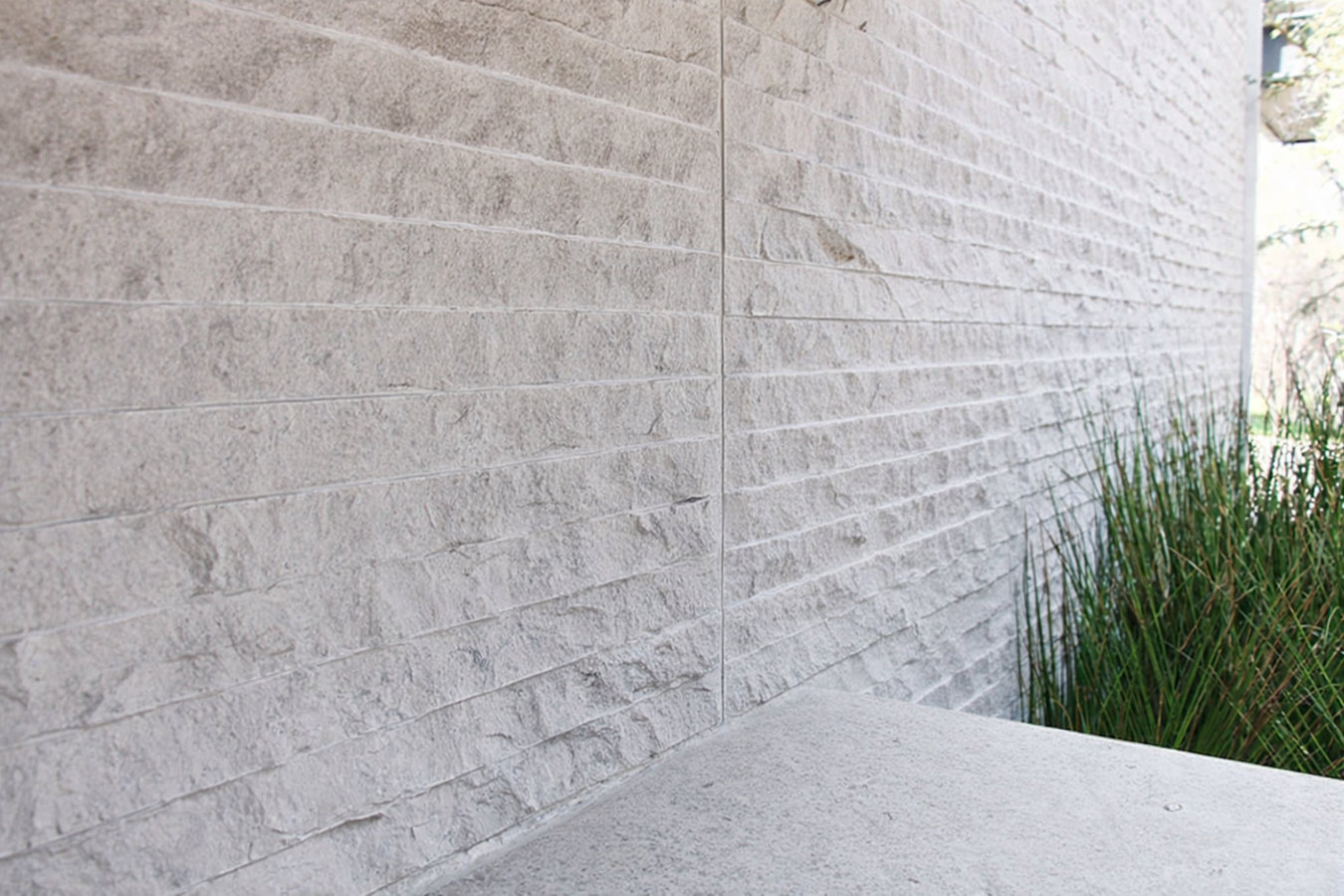
Livermore's clay soils and active fault lines demand more than a minimum-code block wall. We build reinforced walls with properly sized footings, handle permits, and clean up when we leave.
Concrete block walls in Livermore are built from individual hollow or solid blocks stacked in overlapping rows and held together with mortar, most residential garden or boundary walls up to 50 linear feet take one to three days of active work once the footing has cured.
Homeowners in Livermore typically look into concrete block walls when they need to hold back a slope, create a level outdoor space, or put a permanent, low-maintenance boundary on their property. The Livermore Valley's clay-heavy soils and proximity to active fault lines mean the footing and reinforcement decisions are not small details - they are what determine whether the wall is still standing straight in 20 years. Many projects also pair well with retaining wall construction when the slope or grade change requires a more engineered solution.
Block walls need very little ongoing care once built. Checking the mortar joints every few years and filling any that have crumbled is the main thing that adds decades to the wall's life.
If you can see a wall on your property pulling away from vertical, bowing outward, or showing cracks wider than a pencil line, the structure is under stress. In Livermore, clay soil swelling against the wall base after winter rains is a common cause. A leaning wall does not fix itself - it gets worse over time.
If you notice bare patches on a slope after rain, soil collecting at the bottom of a hill, or erosion channels forming in your yard, you likely need a retaining wall to hold the grade in place. Livermore's wet winters and dry summers create exactly the cycle of saturation and shrinkage that accelerates slope erosion.
If you are planning a garden bed, outdoor kitchen, or flat patio area on a sloped lot, a concrete block retaining wall is the most durable way to create and hold that level surface. Block walls handle the weight of soil and foot traffic better than timber or loose-stone alternatives over the long term.
If you can scrape mortar out of the joints between blocks with your finger, or if you see white powdery deposits forming on the wall face, the mortar is deteriorating. Left alone, water gets in, the blocks shift, and the repair becomes much more expensive than it would have been if caught early.
We build concrete block walls for retaining slopes, defining property boundaries, creating raised garden beds, and adding enclosures to garages and outbuildings. Every wall we build in California includes steel reinforcing rods running through the block cores and grout fill - that is what the state requires in a seismic zone, and it is what separates a wall that survives an earthquake from one that does not. For walls that need to hold back significant soil loads, we also handle the drainage systems that keep hydrostatic pressure from pushing the wall over.
If an existing block wall is showing signs of deterioration rather than needing full replacement, we also repair and repoint mortar joints to extend the wall's life. For larger structural needs, our work connects with foundation block wall installation for below-grade applications. Every job comes with a clear written scope, permit handling where required, and daily cleanup so your yard is not a construction zone at the end of each day.
Suits homeowners managing slopes, erosion, or tiered yard levels on properties with grade changes.
Suits homeowners who want a permanent, low-maintenance property boundary or raised planting area.
Suits homeowners adding enclosures, privacy screens, or structural walls to garages and outbuildings.
Suits homeowners with existing block walls showing deteriorated mortar joints or early structural movement.
Most of the Livermore Valley sits on clay-heavy soils that swell when wet and shrink when dry. That seasonal movement puts stress on the base of every wall, and a contractor who sizes a footing to the bare minimum will leave you with a leaning wall within a few years. Livermore's seismic risk adds another layer - the Greenville and Calaveras fault systems run through the region, and California requires steel reinforcement inside block walls in this area. A price that seems unusually low usually means one of these two things is being skipped. The City of Livermore also requires permits for most retaining walls, so working with a contractor who handles that process is important.
We work across the Tri-Valley, including Hayward and Dublin, where many of the same soil and seismic conditions apply. For homeowners in Livermore's newer planned communities, we also review HOA design guidelines before finalizing any wall plan - because a wall that passes city inspection can still need to come down if it violates your association's rules.
We will ask how long or tall the wall needs to be, what it is meant to do, and whether previous work has been done on the site. We schedule a free on-site estimate and reply to all inquiries within one business day.
We visit your property to measure the area, assess the slope and soil, and check access for equipment. We will also tell you whether your project needs a city permit - common for retaining walls in Livermore - and provide a written quote within a few days.
If a permit is required, we submit the application to the City of Livermore on your behalf. Permit processing typically takes one to three weeks. Once approved, we schedule the work - summer is the busiest season, so a few weeks of lead time is normal.
We dig the footing trench, pour the concrete base, then stack and mortar the blocks with steel reinforcing rods and grout fill as required by California's seismic standards. If a permit was pulled, a city inspector reviews the finished work. Most walls are ready for normal use within a few days of completion.
No pressure, no obligation. We handle permits and give you a clear written scope before any work begins.
(925) 409-3345The clay-heavy soils in the Livermore Valley expand in winter and shrink in summer. We size every footing deeper and wider than minimum code to account for that seasonal movement, which is what keeps the wall plumb and solid through years of weather cycles.
Livermore sits near the Greenville and Calaveras fault systems, and California requires steel reinforcement inside block walls in seismic zones. Every wall we build includes the rebar and grout fill the state requires - not just on paper, but actually in the wall.
Navigating Livermore's permit process is confusing if you have never done it. We handle every step of the application and coordinate the city inspection, so you never have to figure out which forms to file or when the inspector is coming.
Many Livermore neighborhoods - particularly those built since the 1990s - have HOA design rules about wall height and materials that go beyond city code. We review your HOA guidelines before finalizing the design so the finished wall satisfies both the city and your association.
These details - footings, reinforcement, permits, HOA review - are the things that determine whether your wall is still solid in 20 years or becomes a problem you have to solve again. You can verify our license and standing through the California Contractors State License Board and learn about California's seismic reinforcement requirements from the Concrete Masonry Association of California and Nevada.
Structural block walls for foundation support and below-grade applications.
Learn MoreEngineered walls designed to hold back soil on sloped or terraced Livermore lots.
Learn MoreSummer fills up fast - get in touch now for a free written estimate and we will handle everything from permits to cleanup.