Serving Livermore, CA and surrounding areas. (925) 409-3345
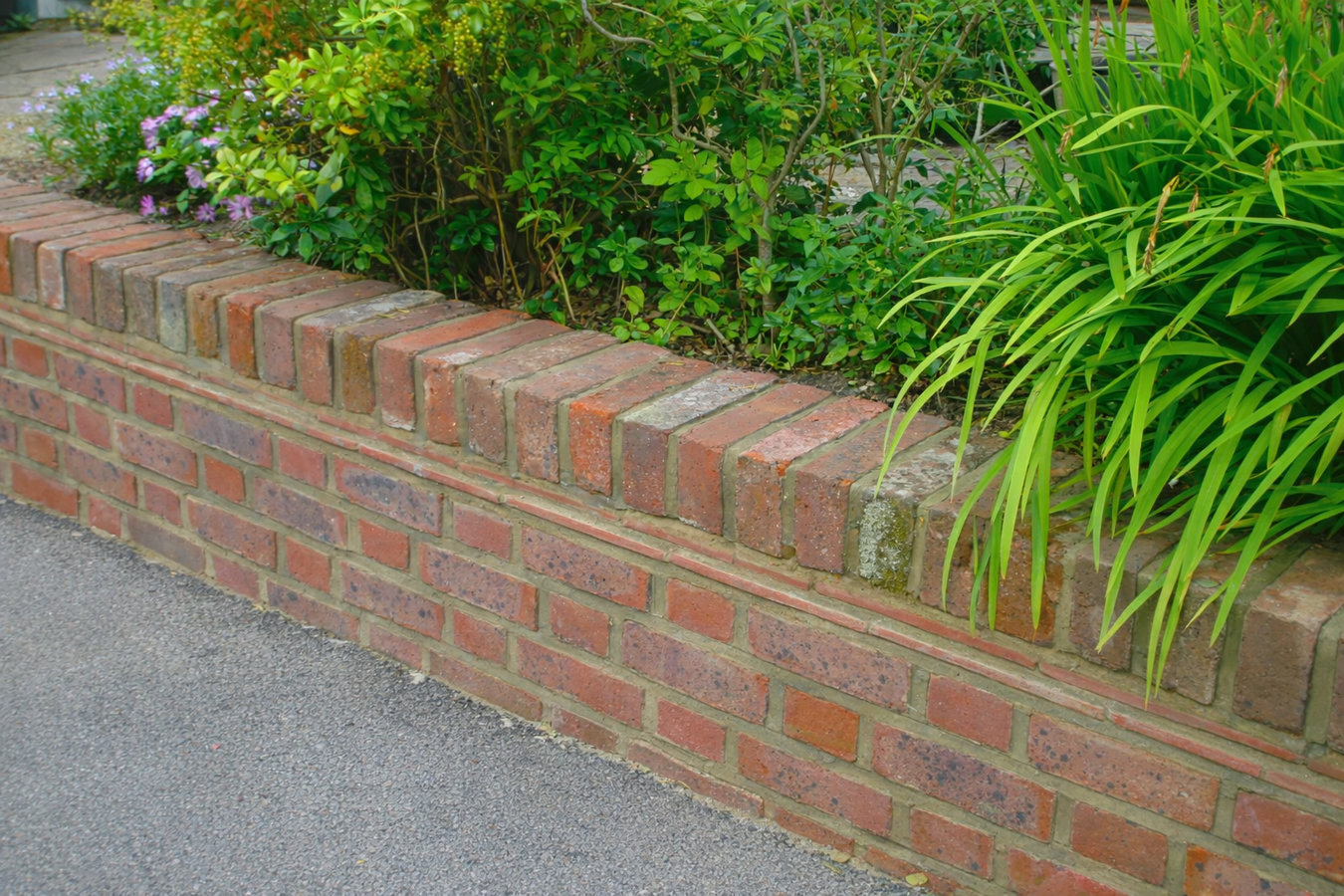
Most brick walls in Livermore fail because of the footing, not the bricks. We engineer every footing for the Tri-Valley's clay soils, include seismic reinforcement as standard, and handle permits from application to city sign-off, so your wall stays straight, solid, and fully documented.
Brick wall installation in Livermore means laying individual bricks one by one with mortar on a concrete footing engineered for local soil conditions, a small garden wall typically takes two to four days while a full privacy or retaining wall can run one to two weeks, and the process includes footing excavation, seismic reinforcement, permit coordination if required, and final city inspection.
What you end up with is a wall that can last well over a century if it is built correctly. Brick is one of the most durable building materials available, it does not rot, warp, or need repainting, and the main maintenance task over the years is watching for mortar joints that have worn down and may need to be refilled. Livermore homeowners who want coordinated stonework across their property often pair a brick wall project with stone masonry features in the same outdoor space.
Homeowners dealing with existing brick that is cracked or has crumbling mortar should consider whether targeted brick repair addresses the problem before committing to a full new wall, and we can help you assess that during an on-site visit.
If you can see a wall pulling away from vertical, or if cracks are running in a stair-step pattern along the mortar lines, the wall's foundation has likely shifted. In Livermore, this is often caused by clay soil expanding and contracting through wet winters and dry summers. A leaning wall is not just an eyesore, it can be a safety hazard for anyone nearby.
If you notice soil washing down a hillside or slope in your yard every time it rains, a retaining wall may be the right fix. Livermore's winter rain events, though infrequent, can be intense, and uncontrolled runoff erodes landscaping quickly. A properly built brick retaining wall holds the soil in place and gives you usable, level yard space.
Run your finger along the mortar lines of an older brick wall. If the mortar crumbles away easily, or if tapping the wall produces a hollow sound in spots, the mortar has deteriorated to the point where the wall's structural integrity is at risk. This is especially common in Livermore homes built in the 1960s through 1980s, where original mortar has now been through decades of seasonal temperature swings.
If neighbors, foot traffic, or street noise are encroaching on your outdoor space, a brick wall is one of the most permanent and low-maintenance ways to create a boundary. Unlike wood fencing, a brick wall does not need repainting or replacement boards every few years - it simply stays there and does its job.
We install brick walls for a wide range of residential applications, from low garden borders and decorative landscape walls to taller privacy screens and structural retaining walls. Every project starts with a concrete footing designed for Livermore's clay soils, steel seismic reinforcement where required by California code, and mortar selected for the local hot-dry climate cycle. The result is a wall that looks exactly the same a decade from now as it does the day we finish.
Homeowners adding outdoor living spaces often pair a brick wall project with stone masonry features like seating walls or fire pit surrounds, and those dealing with existing brick damage can start with brick repair to address cracked courses or crumbling mortar before deciding whether a full rebuild is needed.
Low to mid-height brick walls that define property lines, separate planting beds, and give front or rear yards a finished, intentional look without requiring city permits in most cases.
Taller freestanding brick walls that block sightlines from the street or neighboring properties, offering a permanent alternative to wood or vinyl fencing that lasts for generations.
Structural walls that hold back soil on sloped lots, engineered with proper footings and drainage so they stay upright through Livermore's wet winters and dry summers.
Low seating walls, raised planting bed borders, and firepit surrounds that add finished edges to outdoor living spaces and complement patio and kitchen masonry.
The Livermore Valley sits on clay-heavy soils that swell when the winter rains arrive and shrink back during the long dry summers. This repeated movement puts stress on any wall that does not have a deep, well-designed footing, and it is the single biggest reason brick walls in this area lean or crack over time. Livermore also sits in an active seismic region with fault systems running nearby, and California building code requires masonry walls here to include steel reinforcement embedded through the wall and into the footing. A contractor who does not mention reinforcement when discussing your project is a detail worth pressing on.
We build brick walls throughout the Tri-Valley, including in Pleasanton and San Ramon, where the same soil conditions, seismic zone, and HOA prevalence shape how every project needs to be designed. A masonry contractor who works regularly across these communities brings practical knowledge of local permit timelines, inspector expectations, and HOA approval processes that generic estimates from out-of-area contractors simply do not include.
When you reach out, we ask a few questions: what kind of wall, where on your property, and roughly how long and how tall. We schedule a free site visit to assess soil conditions, the slope of the ground, and any access challenges. You will receive a written estimate that breaks down materials, labor, and any permit fees before you commit to anything.
If your wall requires a city permit, which it likely will if it is over three feet tall, we submit the permit application to the City of Livermore on your behalf. Approval typically takes a few days to a couple of weeks depending on the building department's current workload. We handle the submission and follow up so you do not have to track it yourself.
Before any bricks go down, we dig the footing trench, set the forms, and pour the concrete base. In Livermore's clay soil, this step is especially important - the footing needs to be deep enough to sit below the zone where the soil moves seasonally. A city inspector may visit to check the footing before the concrete is poured, which is a normal part of the process.
Once the footing has cured, the mason lays bricks course by course, checking for level and plumb as they go, with steel reinforcement bars set into the wall as required by California code. Depending on wall size, this phase takes one day to two weeks. After the final city inspection if one is required, we clean up the site and walk you through care instructions for the curing period.
We reply within one business day and can schedule a free on-site visit at a time that works for you.
(925) 409-3345Livermore's clay soil expands every wet winter and contracts every dry summer, and that movement is what causes most brick walls to lean or crack over time. We design every footing specifically for local soil conditions, going deep enough and using the right concrete mix so your wall stays straight and solid through years of seasonal changes.
Livermore sits near active fault lines, and California requires masonry walls to include steel reinforcement embedded through the wall and into the footing. We build every wall to meet this requirement not just because the code requires it, but because it is the right thing to do for your family's safety. Any estimate that does not mention reinforcement is worth questioning before you sign.
Navigating Livermore's building permit process, figuring out what is required, submitting the right paperwork, and scheduling inspections, can feel overwhelming if you have never done it before. We handle the entire process on your behalf, from the initial application to the final city sign-off. Your wall is fully documented and you never have to worry about a future buyer's inspector flagging an unpermitted structure.
A significant portion of Livermore's residential neighborhoods, particularly in the Springtown area and newer developments east of downtown, have HOA rules about wall height, materials, and color. We are familiar with common HOA design guidelines in this area and can help you choose specifications that are likely to sail through approval without back-and-forth delays.
We build brick walls the way they need to be built in Livermore, with footings designed for local soil, seismic reinforcement included as standard, and the permit process managed from first application to final sign-off. You can verify our license with the California Contractors State License Board before you commit to anything, and the Brick Industry Association sets the technical standards we follow for mortar joints, coursing, and wall design.
Natural stone walls and features that use the same footing and structural principles as brick but offer a different texture and aesthetic for Livermore outdoor spaces.
Learn MoreTargeted repair of existing brick walls with crumbling mortar, cracked sections, or shifted courses before full replacement becomes necessary.
Learn MoreSpring is the best time to build in Livermore, and contractor schedules fill up fast, reach out now to lock in your preferred start date.