Serving Livermore, CA and surrounding areas. (925) 409-3345
Failing mortar lets water into your walls every winter. We remove the old material properly, pack in matched mortar, and leave your brickwork sealed and solid.
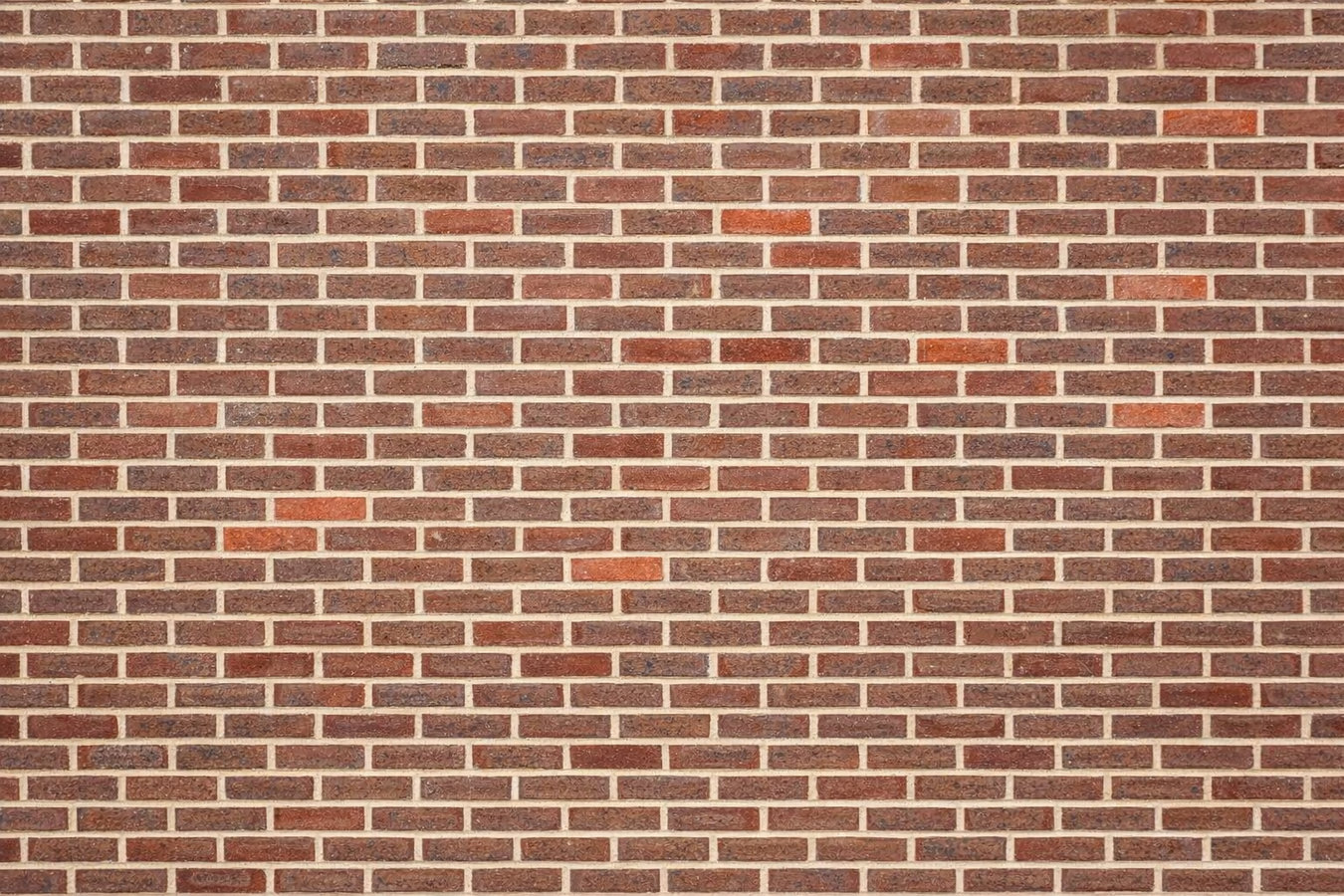
Tuckpointing in Livermore, CA means removing old crumbling mortar from the joints between bricks or stones and replacing it with fresh material, sealing the wall against water and restoring its strength. Most jobs on a single wall or chimney are completed in one to two days.
If you have noticed white staining, gaps between bricks, or mortar that crumbles when you touch it, your wall has been losing its seal for a while. Livermore's hot, dry summers shrink and crack mortar, then the wet season pushes water straight into those gaps. Catching it before November keeps water out of your walls all winter.
Tuckpointing is closely related to brick repair - when mortar joints fail for long enough, the bricks themselves can start to crack or spall. Addressing the joints early is almost always less expensive than waiting until the bricks need replacing too.
Run your finger along the joints between your bricks. If the mortar feels soft, sandy, or flakes away with light pressure, it has lost its bond. This is one of the clearest signs repointing is overdue - and it takes about five minutes to check yourself.
Chalky white deposits on the surface of your masonry mean water has been moving through the wall and leaving minerals behind. In Livermore this often shows up after the rainy season on walls that had undetected cracks going into winter - water has already been getting in.
Stand back and look at your wall from a few feet away. Dark lines, visible gaps, or spots where mortar is completely gone between bricks are letting water, insects, and air directly into the wall. Even small gaps matter - water does not need much of an opening to cause damage.
Livermore sits near the Greenville and Calaveras fault systems, and even tremors you barely felt can open hairline cracks over time. If you noticed new cracking in your masonry after a seismic event, that is worth having a mason evaluate before the rainy season.
We handle tuckpointing on everything from single chimneys to full exterior walls. Whether the damage is limited to one side of the house or spread across the entire structure, we assess the full scope before we start and work to restore each section to a consistent, watertight finish. We also perform related brick repair when individual units are cracked or damaged alongside failing mortar.
For joints that need more than standard repointing - particularly on older Livermore homes where the original mortar has weathered unevenly - we also offer brick pointing to restore decorative joint profiles and bring the finished surface back to a clean, uniform appearance.
Best for homeowners with crumbling or recessed joints around the chimney crown, flashing, or firebox - the most weather-exposed masonry on most homes.
Right for brick or stone veneer walls showing widespread joint wear, white staining, or seismic cracking across a large surface area.
Ideal for garden or retaining walls where joint failure allows water to erode the base and undermine structural stability over time.
Suitable when only a few sections of a wall are failing and the rest remains solid - targeted repair that avoids unnecessary disruption.
Livermore sits in the Tri-Valley and regularly sees summer temperatures above 95 degrees, with stretches above 100 degrees most years. That intense heat dries out mortar, causing it to shrink and crack - and south- and west-facing walls take the worst of it. By the time the wet season arrives in November, those dried-out joints are already open to water. If you have ever noticed new cracking or crumbling after the first heavy rains, that is exactly what happened.
The Livermore Valley also sits near active fault systems, including the Greenville and Calaveras faults. Older neighborhoods near downtown Livermore - with brick and stone homes built in the mid-20th century - can develop mortar cracks from ground movement that have nothing to do with age or weather. We work regularly in Livermore and nearby Pleasanton and understand the local factors that drive mortar wear here. For authoritative guidance on masonry preservation, the Brick Industry Association is a reliable reference. Seismic risk data for the Livermore area is available from the USGS Earthquake Hazards Program.
Reach out by phone or the contact form. We respond within one business day and schedule a time to come see the wall in person before giving you any numbers.
We walk the affected area, check joint depth and condition, note seismic crack patterns, and assess scaffold needs. You get a clear written estimate before any work begins.
Old mortar is ground out to at least three-quarters of an inch - the depth that ensures new material bonds properly. Fresh mortar is then packed in layers and shaped to match the original joint profile.
We clear all debris and drop cloths before we leave. New mortar needs 24 to 48 hours before it can get wet - we walk you through what to avoid and what to watch for in the weeks ahead.
No pressure - just a straight assessment and a written estimate. We reply within one business day.
(925) 409-3345You get a clear, itemized quote after the site visit - not a number that shifts once work begins. We explain what we found and why it affects the scope so you can make an informed decision.
Every tuckpointing job we do is performed under a valid California masonry contractor license. You can verify our license on the CSLB website at any time.
We work regularly in Livermore, Pleasanton, and Dublin - we know the local housing stock, the seismic considerations, and the narrow pre-rain scheduling window that matters most to homeowners here.
We mix and test mortar color before committing to the full job. A visible mismatch signals the wrong material was used - and the wrong material can damage softer older bricks. We get it right before we start.
Every one of those factors comes together on the job. A written estimate, proper depth removal, matched mortar, and local timing knowledge are not extras - they are the difference between tuckpointing that lasts 25 years and work that needs redoing after two winters. You can verify our California masonry contractor license any time on the CSLB website.
Cracked or spalled bricks alongside failing mortar? We handle full brick repair so the entire wall is restored together.
Learn MorePrecision joint finishing for decorative brick surfaces where appearance and water resistance both matter.
Learn MoreLivermore's wet season starts in November - book now and we will have your walls sealed before the first storm.