Serving Livermore, CA and surrounding areas. (925) 409-3345
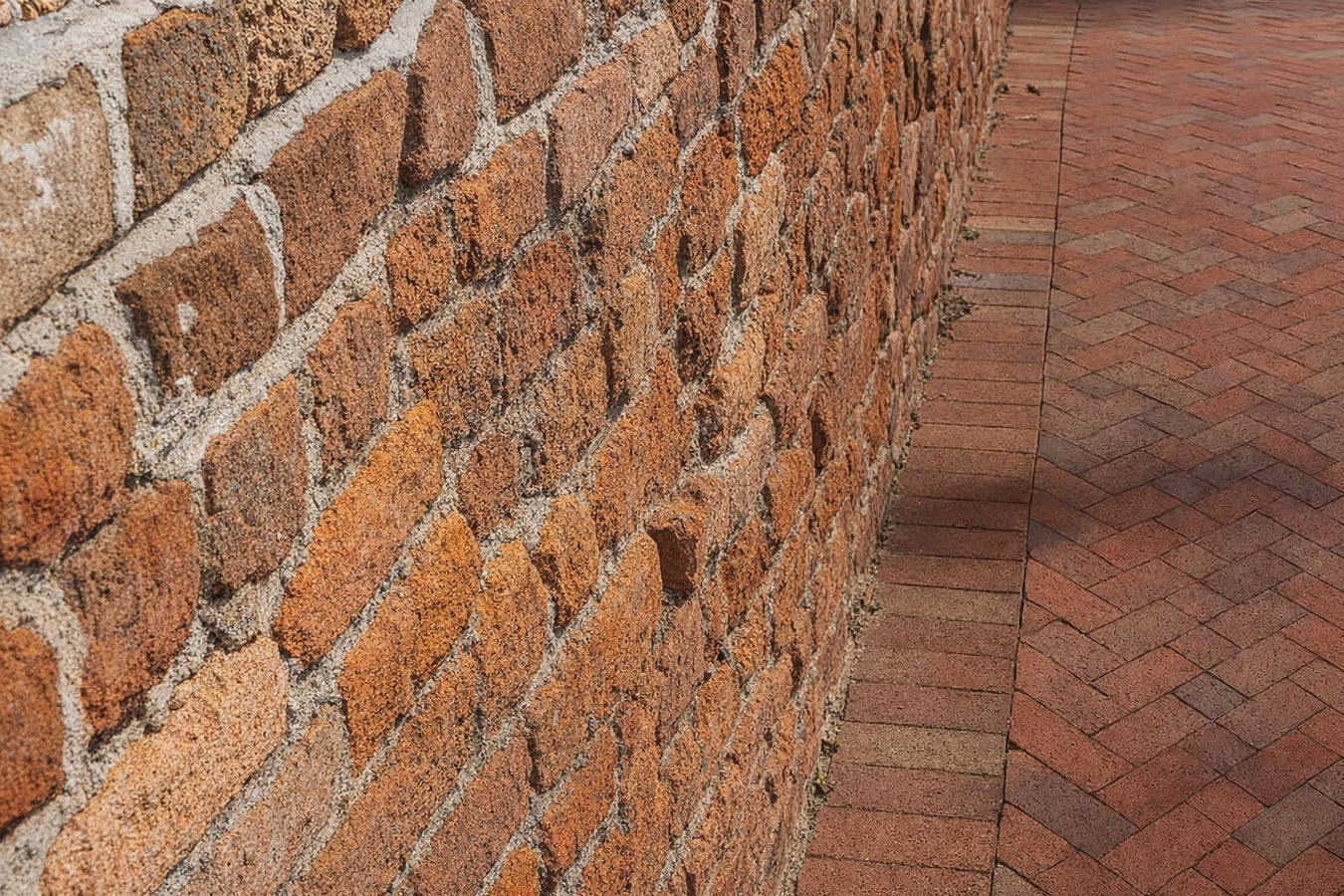
Crumbling mortar and shifting walls get worse every rainy season. We restore your masonry so it is solid, sealed, and ready for whatever Livermore winters bring.
Crumbling mortar and shifting walls get worse every rainy season. We restore your masonry so it is solid, sealed, and ready for whatever Livermore winters bring.
Masonry restoration in Livermore covers repairing, repointing, and stabilizing brick, stone, or block that has been damaged by age, water, or the Tri-Valley's seasonal weather swings - most jobs on a single chimney or wall section wrap up in one to three days.
Most Livermore homeowners reach out when they spot something that has been quietly getting worse - a line of crumbling mortar, white staining on a brick wall, or a retaining wall that no longer looks straight. Masonry restoration is about catching those problems before they turn into bigger structural ones. If your brick or stone has reached that point, our tuckpointing work is often the first and most effective step.
Water is behind most of the damage we see here. Livermore's rainy season pushes moisture into every small gap, and what starts as a hairline crack in October can be a real problem by March. Getting your masonry assessed and repaired before the rains arrive is the single best thing you can do to protect your home.
Run a finger along the lines between your bricks or stones. If the material feels soft, sandy, or comes away easily, the mortar has broken down. In Livermore's climate - hot dry summers followed by wet winters - this kind of wear is common on homes 20 years and older. Left alone, it lets water into the wall itself.
Livermore's rainy season pushes water into small gaps, and when that water dries out or freezes on cold nights, it expands and widens existing cracks. New or larger cracks in a brick wall, chimney, or retaining structure after the winter rains are a clear sign that water has been working its way in and the damage is progressing.
That chalky white residue is called efflorescence, and it means water is moving through your masonry and carrying mineral salts to the surface. It is not dangerous on its own, but it is a reliable early warning that moisture is getting in somewhere it should not be. Catching it early is much cheaper than waiting until the water causes structural damage.
Livermore's expansive clay soils can shift under retaining walls over time, especially after a wet winter. If a wall that used to look straight now has a visible lean, or if you can see gaps opening between the base of the wall and the ground, that is a structural concern. This kind of movement tends to get worse, not better.
Every masonry restoration project starts with an honest assessment of what is actually going on. For most homes, the work centers on mortar - repointing worn joints, patching cracks, and replacing damaged sections of brick or block to stop water entry and restore structural integrity. We match the mortar mix to your existing masonry so the repair holds long-term without stressing the surrounding material. For properties where a damaged or aging fireplace is part of the picture, our fireplace installation service can run alongside the restoration work.
Beyond the joints, we handle chimney cap replacement, efflorescence treatment, retaining wall stabilization, and brick or stone facade restoration. For properties where the damage goes deeper into the stone itself, stone masonry work may be part of the solution. We give you a clear picture of what is needed and why before any work begins, so there are no surprises on the invoice.
Best for homeowners with worn mortar joints on brick chimneys, walls, or retaining structures.
Suited to walls and facades with visible fractures caused by water infiltration or soil movement.
Right for homeowners who have noticed white staining on exterior brick or block and want to address the moisture source.
For walls showing lean, gaps at the base, or horizontal cracking that suggests soil pressure.
Livermore sits in the Tri-Valley, where summer temperatures regularly top 95 degrees F and winter rainfall arrives in concentrated bursts between November and March. That swing from baking heat to heavy rain is hard on mortar joints - they expand, contract, and eventually crack. A large share of Livermore's neighborhoods, including areas around Springtown and older downtown corridors, feature homes built between the 1960s and 1990s. Brick chimneys, decorative block walls, and concrete retaining walls from that era are now 30 to 60 years old and entering the window where mortar and structural repairs become necessary. Homeowners in Pleasanton and across the Dublin corridor face the same conditions and the same aging housing stock.
The Livermore Valley also has pockets of expansive clay soil that swells when wet and shrinks when dry. This seasonal movement puts real stress on masonry walls and retaining structures, causing cracks that are not simply cosmetic. On top of that, increasing wildfire smoke exposure in recent years means ash and soot deposits - which are mildly acidic - are gradually degrading mortar surfaces and brick faces on homes throughout the area. The combination of climate stress, aging housing stock, and soil movement makes proactive masonry restoration a genuinely practical investment here, not just an aesthetic one. The National Park Service Preservation Briefs offer detailed guidance on matching mortar to existing masonry - something we follow on every job.
Reach out by phone or form and we will reply within one business day. We will ask a few basic questions - what you are seeing, where it is on the property, and roughly how old the structure is - so we can come prepared.
We walk the area with you, point out what we are seeing, and explain what is causing it. After the visit, you receive a written estimate that breaks down the work, the materials, and the total cost - no single number with no context.
If the work requires a permit from the City of Livermore - typical for structural repairs - we handle pulling that permit before any work begins. Once it is in hand, we agree on a start date that works for your schedule.
Most residential masonry restoration jobs in Livermore wrap up in one to three days. We clean up debris at the end of each workday and walk the completed area with you before we leave, so you understand exactly what was done and what to watch for going forward.
Free estimate - no obligation. We reply within one business day.
(925) 409-3345Older Livermore homes - especially those built in the 1960s through 1980s - used softer brick and mortar mixes. Using a modern, harder mortar on those walls forces the bricks to absorb stress they were not designed to handle, causing cracks over time. We assess the age and composition of your existing masonry and match the repair material accordingly, so the fix holds without damaging what surrounds it.
Structural masonry work in Livermore requires a permit from the City's Building and Safety Division, and skipping that step can create real problems when you sell your home. We pull every required permit ourselves and coordinate inspections so you do not have to navigate the paperwork. The job is not done until the inspection is signed off.
The vast majority of masonry damage in Livermore starts with water finding a way in. Filling a crack without addressing how water is getting there means the problem comes back within a season or two. We identify the entry point on every job and explain how the repair addresses it - not just what we patched. The Brick Industry Association sets the technical standards we follow for mortar selection and crack repair.
Livermore's clay soils can shift under retaining walls in ways that a simple patch will not fix. If the cracking pattern suggests soil movement, we will tell you what is actually happening and what your real options are - even if that means recommending a repair approach that takes more time. You get an honest assessment you can make a real decision from.
Every one of these points comes down to the same thing: we treat your home the way we would want our own homes treated. When we leave the job site, you have a repair that is built to last through Livermore's seasons, a permit record that protects you at resale, and a clear picture of what was done and why.
Custom masonry fireplaces and gas inserts built or installed to California code, with permits handled start to finish.
Learn MoreNatural and manufactured stone work for walls, facades, and decorative features that stand up to Livermore's climate.
Learn MoreLivermore's rainy season starts in November - book now and protect your home before water turns a small problem into a big one.