Serving Livermore, CA and surrounding areas. (925) 409-3345
Livermore Masonry & Concrete is your local masonry contractor in Livermore, CA, handling foundation repair, tuckpointing, and chimney work for homeowners across the city. We have served Livermore since 2016 and are licensed, insured, and familiar with the clay soil and aging housing stock that drive masonry problems here.
Livermore sits on expansive clay soil that swells every winter and contracts through the dry summer, putting steady pressure on foundations across the city. If you are seeing sticking doors, diagonal wall cracks, or uneven floors, our foundation repair service addresses both the visible damage and the drainage conditions driving it.
Livermore summers regularly top 95 degrees, which dries out mortar joints faster than homeowners expect. Chimneys on homes built in the 1960s through 1980s are especially prone to crumbling mortar, cracked liners, and damaged caps that let water in before the rainy season even starts.
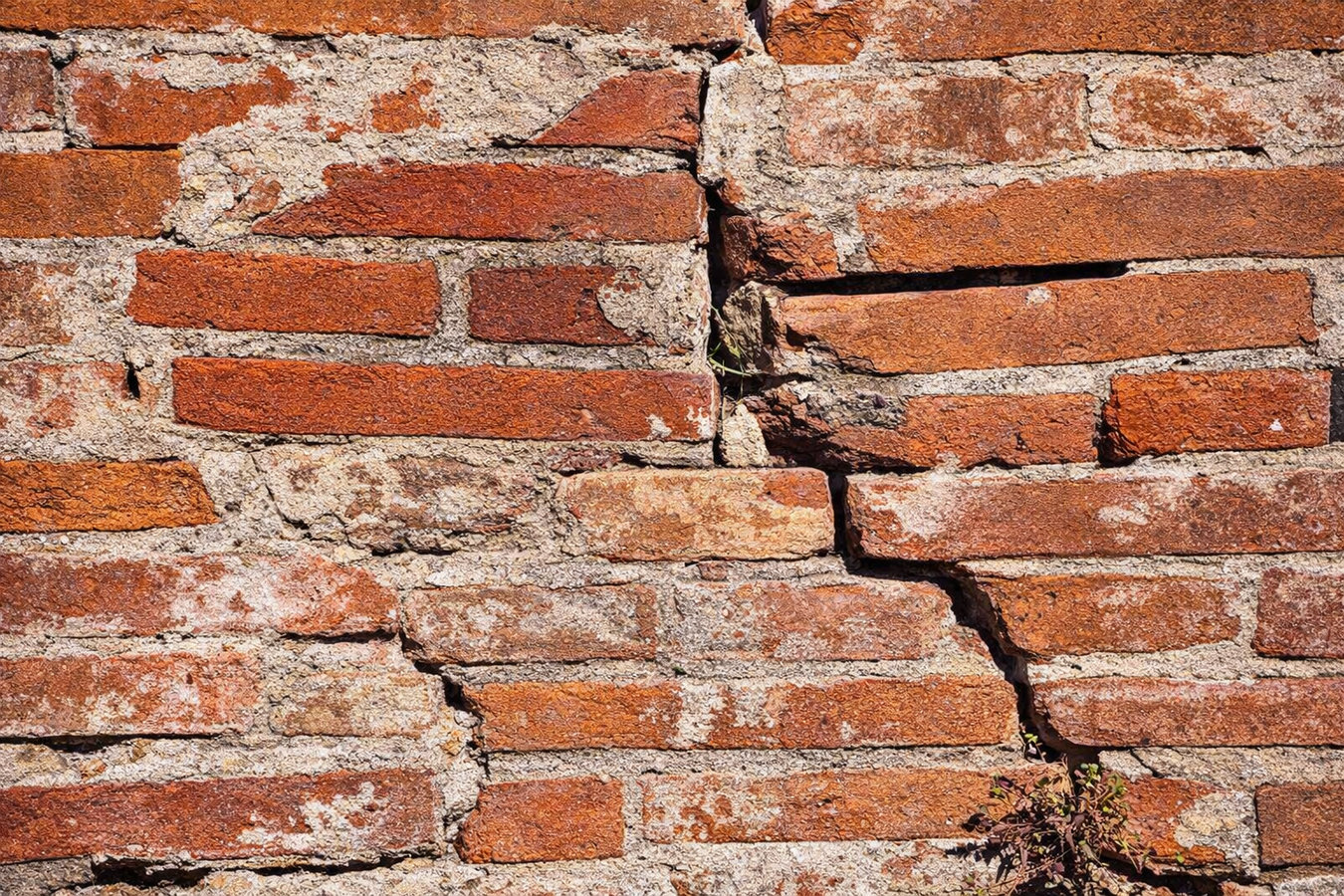
Mortar between bricks and stones wears down faster in Livermore than in coastal cities because the heat-dry-wet cycle is more extreme here. Tuckpointing - removing deteriorated mortar and packing in fresh material - stops that cycle and prevents water from opening up larger cracks through the winter months.
Homes on hillside lots and in South Livermore near the vineyards often deal with sloped yards and soil that moves after a wet winter. A properly built retaining wall holds that soil in place, protects your landscaping, and keeps water from draining toward your home.
Older ranch-style homes near downtown Livermore often have brick details on chimneys, planters, and low garden walls that are now 50 to 70 years old. Spalled, cracked, or missing bricks are a structural concern as much as a cosmetic one, and they are worth fixing before water gets behind the wall.
Brick, stone, and concrete block structures built during Livermore's rapid growth period - the 1960s through 1990s - are now entering the age when they need more than patching. Masonry restoration addresses the full scope of wear so your walls, chimneys, and block features are solid again rather than just presentable.
Most homes in Livermore were built between the 1950s and the 1990s during the city's rapid expansion as a Tri-Valley bedroom community. At 30 to 70 years old, that housing stock is entering the age where original foundations, chimney mortar, and concrete flatwork need real attention. The homes near downtown are even older, with some dating back to the early 1900s and carrying original wood framing and foundations that predate modern building codes. A masonry contractor who has worked on these homes understands what to look for and what those older materials need.
The climate here creates a punishing seasonal cycle for masonry. Summers regularly exceed 95 degrees, drying out mortar and stressing concrete. Then November through March brings concentrated rainfall that soaks into any crack the heat opened up. Underneath it all, much of the Livermore Valley sits on expansive clay soil that swells in the wet season and contracts in the dry season, year after year. That movement is the single biggest reason driveways crack, foundations shift, and retaining walls eventually lean. According to USGS earthquake hazard data, Livermore also sits near active fault systems including the Las Positas and Greenville faults, which add a seismic dimension to masonry wear that coastal cities do not face to the same degree.
Our crew works throughout Livermore regularly, and we understand the local conditions that affect masonry work here. We pull permits through the City of Livermore Community Development Department on building and safety permit applications for structural repairs, and we know what inspectors look for on jobs in this city. We have worked on the older ranch homes in central Livermore as well as the newer two-story subdivisions built near Portola Avenue and the Springtown district.
Livermore is a city most people in the Tri-Valley know well. Lawrence Livermore National Laboratory sits on the city's eastern edge and employs thousands of long-term residents who invest in their properties. The wine country east of Las Positas Road includes larger lots with outbuildings and long driveways that need different masonry considerations than a standard subdivision home. We work from the older streets near First Street downtown out to the newer neighborhoods off Isabel Avenue, and we know the difference a particular soil type or building era makes to the work.
We serve homeowners throughout the area, including nearby Pleasanton and Dublin. If your project spans more than one community or you need a crew that knows the Tri-Valley well, we cover the whole region.
Reach us by phone or through the contact form and we will respond within one business day. You do not need to know the exact problem to call - just describe what you have noticed and we will take it from there.
A member of our crew visits your property, walks the problem areas with you, and explains what they see in plain language. We give you a written estimate before any work is discussed, so you know the cost before you decide.
For structural repairs we handle the City of Livermore permit application ourselves. Once the permit is in hand we agree on a start date that works around your schedule.
Most Livermore jobs wrap up in one to three days. The crew cleans up debris each day and walks you through the completed work before leaving, including what to watch for and what your warranty covers.
We serve Livermore homeowners with free on-site estimates and no-pressure assessments. Most inquiries get a response within one business day.
(925) 409-3345Livermore is a city of about 92,000 residents at the eastern edge of the Tri-Valley, where the Bay Area meets the Central Valley. The city is defined by two powerful institutions: Lawrence Livermore National Laboratory and Sandia National Laboratories, which together employ thousands of engineers and scientists who put down long-term roots in the community. The residential neighborhoods range from postwar ranch homes built in the 1950s and 1960s to newer two-story subdivisions developed off Portola Avenue and East Avenue into the 2000s. Downtown Livermore, centered around First Street, includes some of the oldest homes in the city, with a handful dating back to the early twentieth century. According to local historical records, the city grew substantially after World War II as families arrived looking for more space than the inner Bay Area offered.
The Livermore Valley wine country runs along the eastern and southern edges of the city, and homes in South Livermore near the vineyards tend to sit on larger lots with detached structures and long driveways. The Livermore Premium Outlets on the east side mark a familiar landmark for most residents, who know the city from east-to-west as spanning everything from flat suburban tracts near I-580 to elevated hillside neighborhoods with valley views. We serve homeowners throughout all of these neighborhoods, and we also work in nearby Pleasanton and San Ramon for homeowners whose masonry needs cross city lines.
Build solid retaining walls that control erosion and define your landscape.
Learn MoreRevive aging masonry to its original appearance and structural performance.
Learn MoreAdd a beautiful, custom-built masonry fireplace to your living space.
Learn MoreConstruct sturdy concrete block walls for privacy, security, or landscaping.
Learn MoreBuild code-compliant foundation block walls for lasting structural support.
Learn MoreInstall classic brick walls that add character and value to your property.
Learn MoreLivermore's clay soil and aging housing stock mean masonry problems rarely get better on their own. Call us now or submit a request and we will be in touch within one business day.